03 ICH REG. KPK WLV-031
Highland Swat Pashmina & Wool Weaving
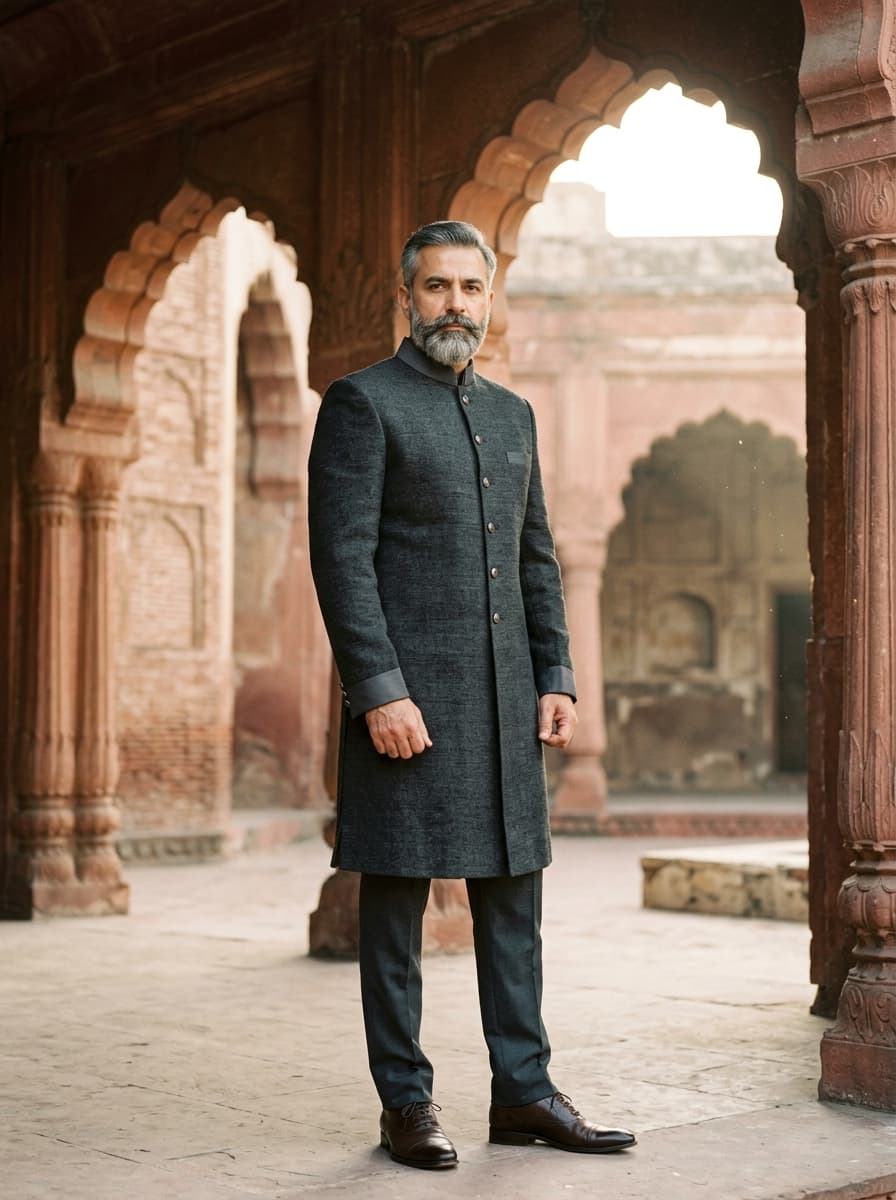
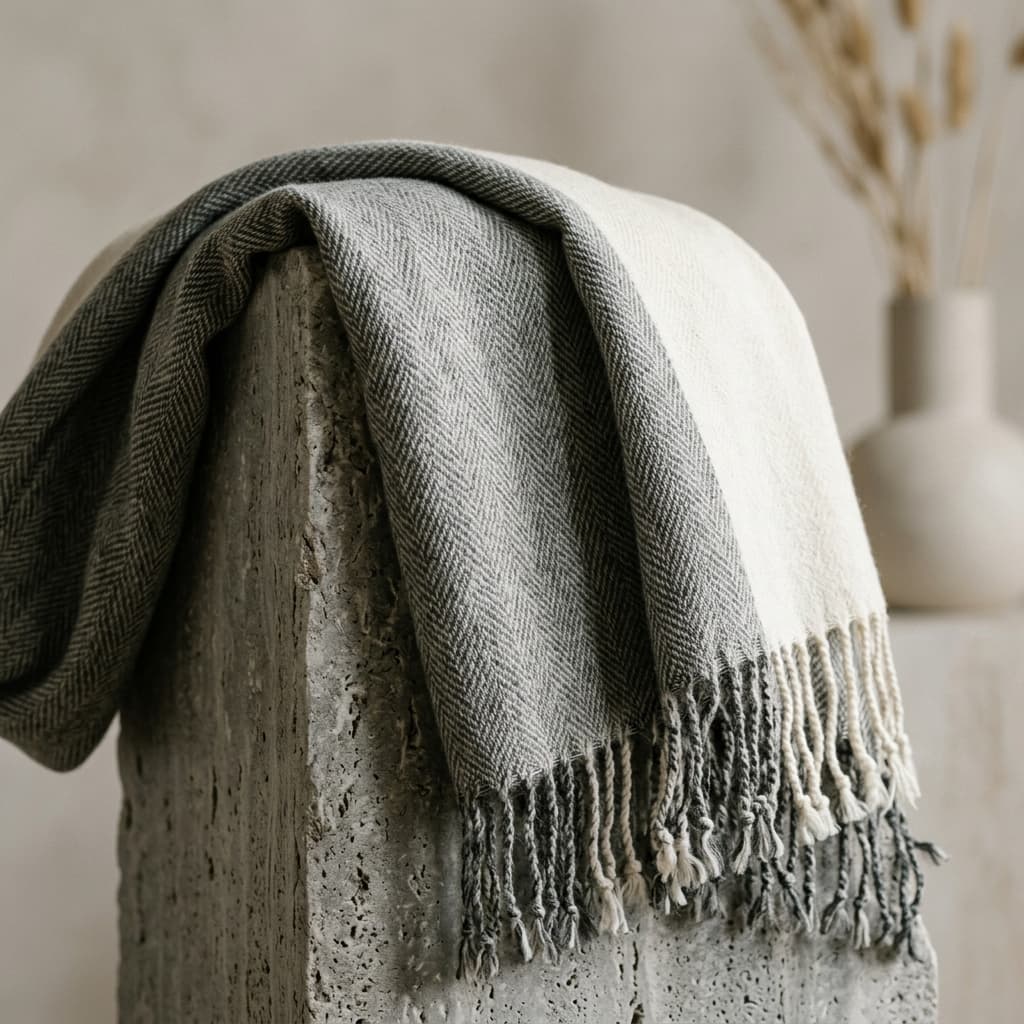
Centuries of thermal insulation wisdom translated from mountain pit-looms into architectural wool overcoats and cloud-weight shawls.
Recorded in the National Register for highland pastoral weaving and pit-loom woolen manufacture.
- Province
- Khyber Pakhtunkhwa
- Origin
- Swat Valley & Islampur
- Register
- KPK WLV-031
- Atelier
- Islampur Valley, Swat
(01) Provenance
The craftsmen of Islampur in the Swat Valley have operated pit-looms since the 14th century. Utilizing naturally colored mountain wool without bleach or synthetic mordants, these textiles possess unmatched durability, natural water repellency, and thermal memory.
(02) The process
The hand,in stages
- 01
Pastoral Shearing & Fiber Sorting
Wool is hand-sheared from high-altitude flocks and sorted by natural fleece shades (charcoal, slate, bone, oatmeal).
Materials Raw mountain fleece
- 02
Charkha Spun Weft
Women in mountain villages spin the carded fleece on wooden drop spindles, creating high-twist warp threads that resist fraying.
Materials Hand-turned wooden Charkha wheel
- 03
Pit-Loom Twill Interlocking
Loomed in recessed earthen pit-looms where humidity stays stable, weaving dense diagonal twill patterns with raw selvedges.
Materials Foot-treadle pit loom, hand shuttles
(03) Master atelier voices
Translated into fashionVeil 04 — Raat “Our wool knows the winter. When you wear it, you feel the mountain warmth that has protected our ancestors for generations.”
Master Weaver Sher MuhammadIslampur Valley, Swat
(04) Craft translations
All works Worn inthe house
Veil 04 — Raat